Reaction of iso-propylbenzene with O 2 followed by the treatment with H 3 O + forms…
Chemistry · JEE Advanced · NTA Exams — Alcohols, Phenols and Ethers
Reaction of iso-propylbenzene with O2 followed by the treatment with H3O+ forms phenol and a by-product P. Reaction of P with 3 equivalents of Cl2 gives compound Q. Treatment of Q with Ca(OH)2 produces compound R and calcium salt S.
The correct statement(s) regarding P, Q, R and S is(are)
The correct statement(s) regarding P, Q, R and S is(are)
- Reaction of P with R in the presence of KOH followed by acidification gives
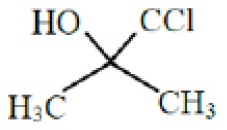
- Reaction of R with O2 in the presence of light gives phosgene gas
- Q reacts with aqueous NaOH to produce Cl3CCH2OH and Cl3CCOONa
- S on heating gives P (2024)
Answer
(A) Reaction of P with R in the presence of KOH followed by acidification gives, (B) Reaction of R with O 2 in the presence of light gives phosgene gas, (D) S on heating gives P (2024)
Sign up free on Edukali to view the step-by-step worked solution and practice thousands of similar questions.
Related practice questions
- Phenol on standing in air develops a red colour due to formation of:
- Reagent Alcohol which is/are true about alcohol and R? Alcohol Reagent(R)
- The reaction products of C 6 H 5 OCH 3 + HI is
- Secondary and tertiary alcohols always gives E 1 reaction in dehydration. Primary, alcohols whose β-carbon is…
- Reimer-Tiemann reaction introduces an aldehyde group, on to the aromatic ring of phenol, ortho to the…
- The compound that does not liberate CO 2 , on treatment with aqueous sodium bicarbonate solution, is
- The compound that will react most readily with NaOH to form methanol is (2001)
- The order of reactivity of the following alcohols towards concentrated HCl array l ext I ext II array…
More Alcohols, Phenols and Ethers questions · Browse all practice questions